
Eco Friendly Wood Products
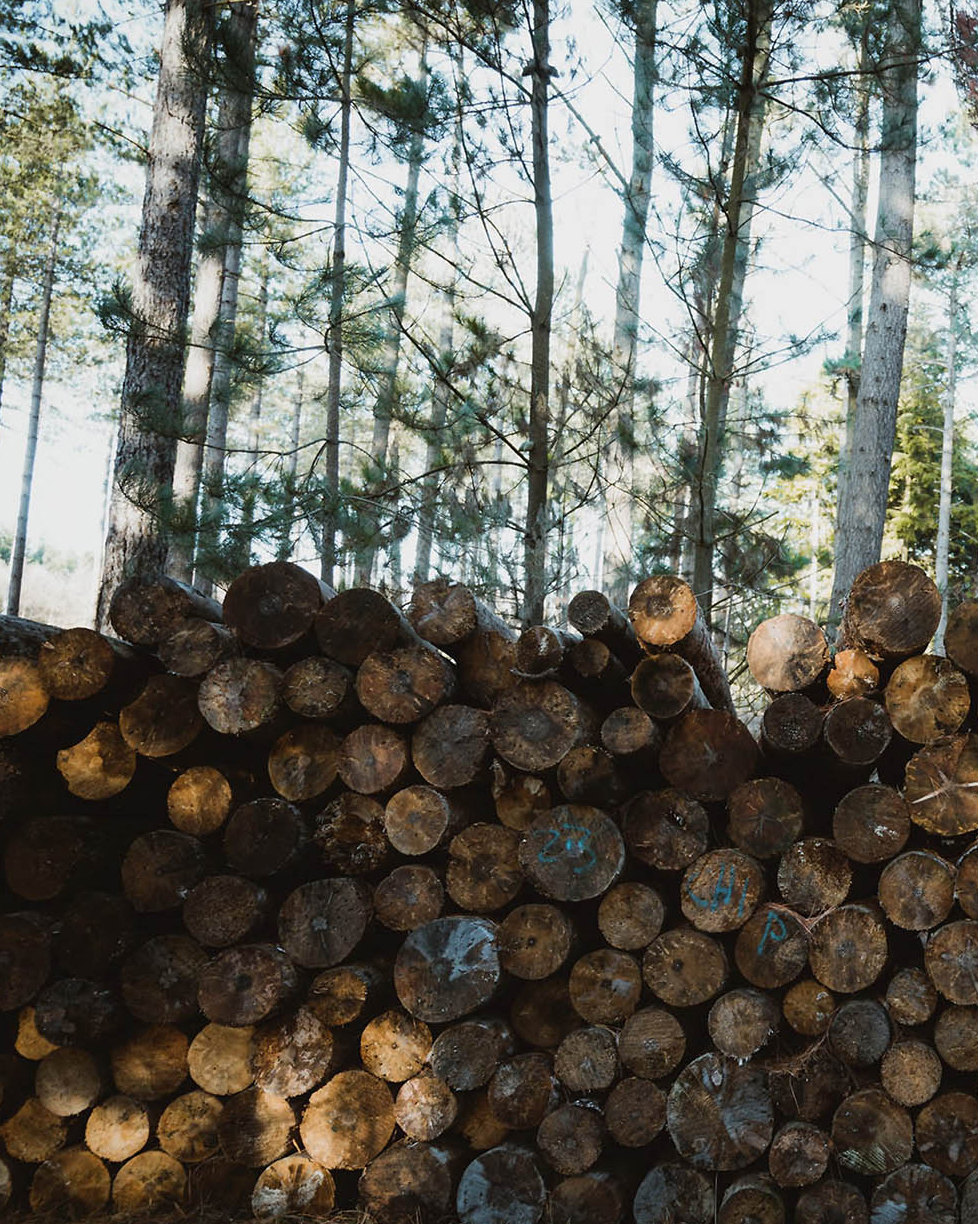
Wood Veneer for Eco-Friendly Wood Products
Built to deliver the beautiful look of natural wood while preserving our forests for future generations.
Prices and the effects of deforestation are a growing concern among consumers, environmentalists, and builders alike. The availability of common solid woods and rare exotics is decreasing, yet the demand for natural wood products remains high. We supply builders and manufacturers with premium hardwood veneer that acts as a logical, ecologically friendly alternative to solid lumber. By design, our veneer extends the use of natural woods, requiring significantly less wood fiber than solid boards while delivering superior structural stability.
Request a Quote
Made in the USA

Sustainable Manufacturing

Maximum Wood Yield

Eco-Friendly Adhesive Options

Decades of Experience
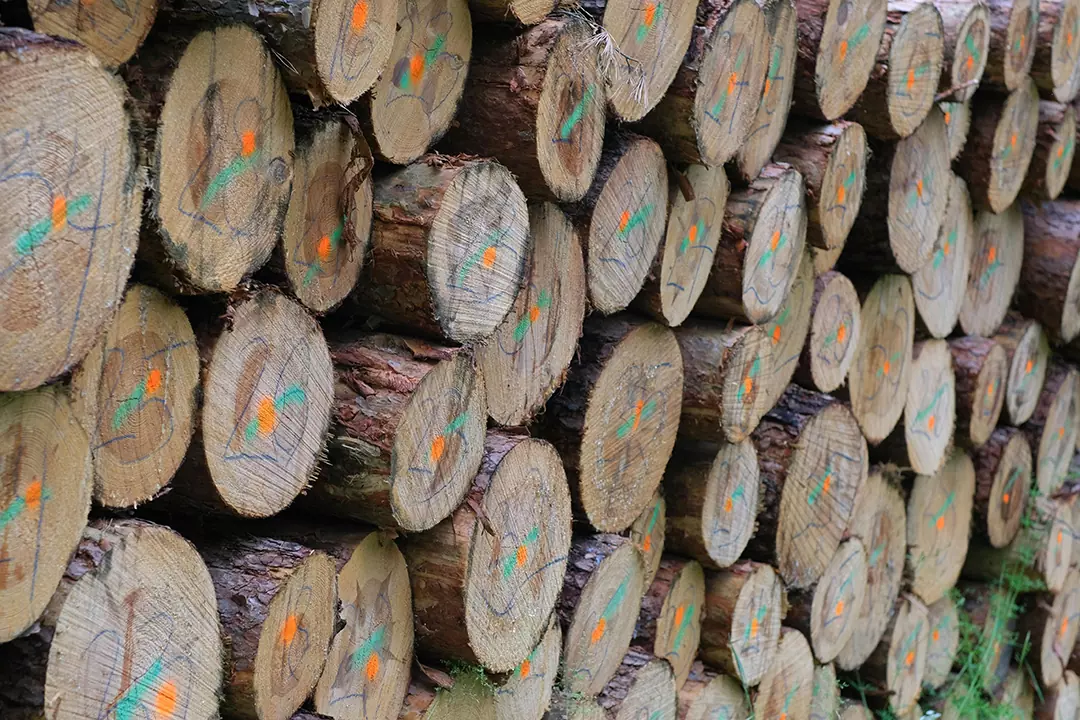
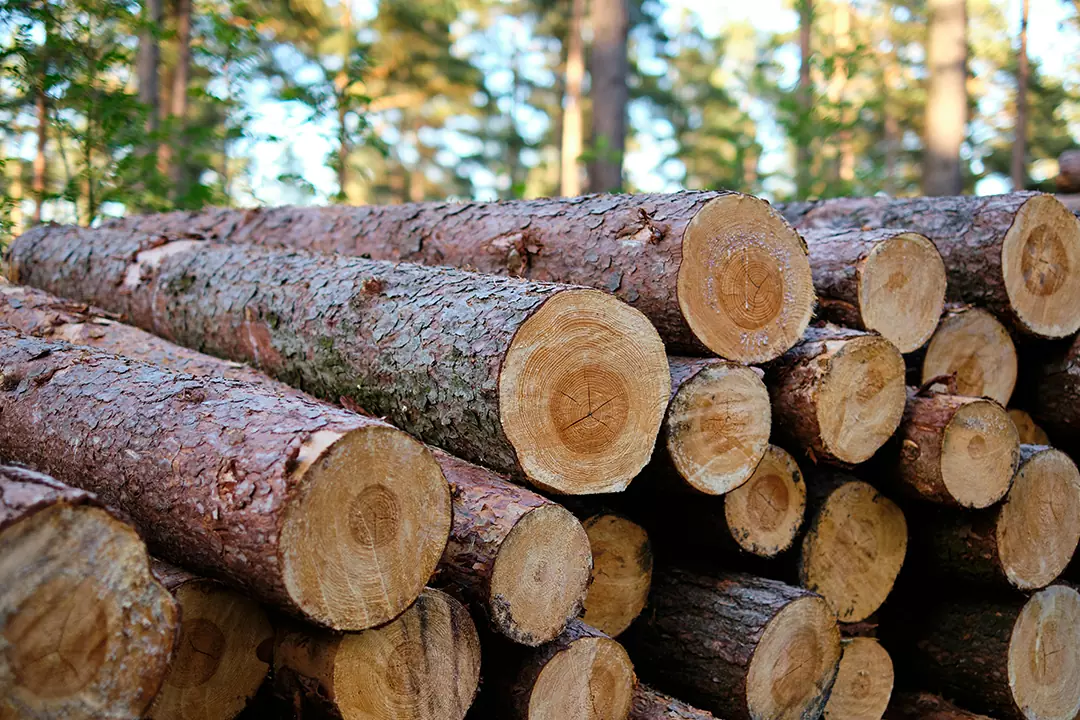
Industry Challenges
Deforestation and Resource Depletion
Heavy reliance on solid wood lumber contributes to deforestation, particularly in vulnerable rainforests. Harvesting large, mature trees for solid boards rapidly depletes natural resources.
Massive Milling Waste
Traditional timber milling is highly inefficient. When cutting a log into solid 1-inch boards, the saw blade turns up to a 1/4-inch of valuable wood into unusable sawdust with every single cut.
Warping and Replacement Waste
Solid wood naturally expands in warm weather and contracts in the cold. Over time, this causes solid pieces to warp, crack, and fail, forcing consumers to replace them and fueling the demand for even more lumber.
Toxic Adhesive Restrictions
Many states now enforce strict environmental regulations restricting the use of solvent-based adhesives in manufacturing and woodworking.
How FormWood Solves This

High-Yield Slicing
Our manufacturing process drastically reduces waste. Instead of sawing, we slice logs with a knife. This produces 42 veneer surfaces for every single solid board you would get from the same log, leaving zero sawdust waste between cuts.
Smart Forestry Substrates
We bond our veneer to stable substrates like MDF and plywood. These cores are made from younger, lower-quality trees removed during forest thinning. This smart forestry practice allows the remaining trees to grow faster and healthier due to less competition for sunlight.
Sustainable Use of Exotics
Veneer allows you to use rare exotic woods and structurally unsound formations, like burls and crotch wood, highly economically. You get the stunning look of these rare woods without demanding heavy harvesting.
Resin-Backed Eco-Solutions
We offer DuraBack™, a specialized resin-backed veneer. It is designed to apply flawlessly with safe, water-based adhesives, helping you meet strict environmental and solvent restrictions.
Capabilities / Product Options
- Sustainable high-yield slicing that produces over 42 veneer surfaces for every single solid board.
- Over 100 species of wood veneer, allowing the sustainable use of rare and exotic hardwoods.
- DuraBack™ resin backer, engineered specifically for use with eco-friendly, water-based adhesives.
- Core substrates made from smart-forestry materials, including MDF, PBC (Particleboard Core), and Veneer Core.
- Formaldehyde-free core options available to meet strict indoor air quality standards.
- A wide variety of standard backers including 10 Mil paper, NBL® wood-backer, Two-ply wood-backer, and PSA.
- Stable, warp-resistant panels that extend the lifecycle of your products and reduce replacement waste.
Frequently Asked Questions
Veneer uses significantly less wood fiber. Because we slice the wood thinly with a knife rather than cutting it with a saw, we eliminate sawdust waste and produce over 42 veneer surfaces from the amount of wood needed for just one solid board.
Yes. By maximizing the surface yield of every log, veneer drastically reduces the volume of timber that needs to be harvested. This makes it possible to enjoy the beauty of exotic woods while minimizing the impact on vulnerable forests.
Absolutely. For shops concerned with solvent emissions or operating under strict environmental regulations, we offer DuraBack™ resin-backed veneer. It applies perfectly using safe, water-based adhesives.
Yes. Substrates like MDF and plywood utilize younger, lower-quality trees. Harvesting these trees thins the forest safely, allowing the remaining, higher-quality trees to thrive with better access to sunlight and soil nutrients.
Let's Build Something That Lasts
Work with a team that understands the importance of sustainable manufacturing and delivers materials built to respect the environment.
